




The way that financial providers and customers communicate has been completely transformed by technological advancements. Payments may now be made without banks or cash thanks to the rise of fintech companies that have developed seamless, real-time solutions. The amount of contactless payments has increased, particularly during the last 10 years, as a result of this and the ongoing expansion of e-commerce.
Cashless transactions, once a convenience, are now embedded in everyday life. From contactless cards and mobile wallets to biometric payments and instant bank transfers, digital payment systems have redefined how consumers and businesses exchange value. For many, this shift represents efficiency, speed, and ease. But beneath the surface, the rapid rise of electronic payments has created new operational, social, and infrastructural challenges, especially for those who still rely on physical cash.
Discover how modern cash management and reconciliation systems assist financial institutions in providing support.
Quick Summary
- Cashless transactions have grown rapidly due to technology, changing consumer behaviour, and the acceleration caused by COVID-19.
- While digital payments improve speed and convenience, they have also led to reduced bank branches and ATM availability.
- Millions of people, particularly the elderly, rural communities, and low-income households, still rely on cash as their primary payment method.
- Declining cash access risks financial exclusion, even as digital payments become the norm.
- Governments, including the UK, are introducing regulations to protect access to cash and ensure resilient cash infrastructure.
- The future of payments is hybrid, requiring both cashless systems and efficient, well-managed cash operations.
- Strong cash management and reconciliation systems are essential to maintaining financial inclusion and operational stability.
What Are Cashless Transactions?
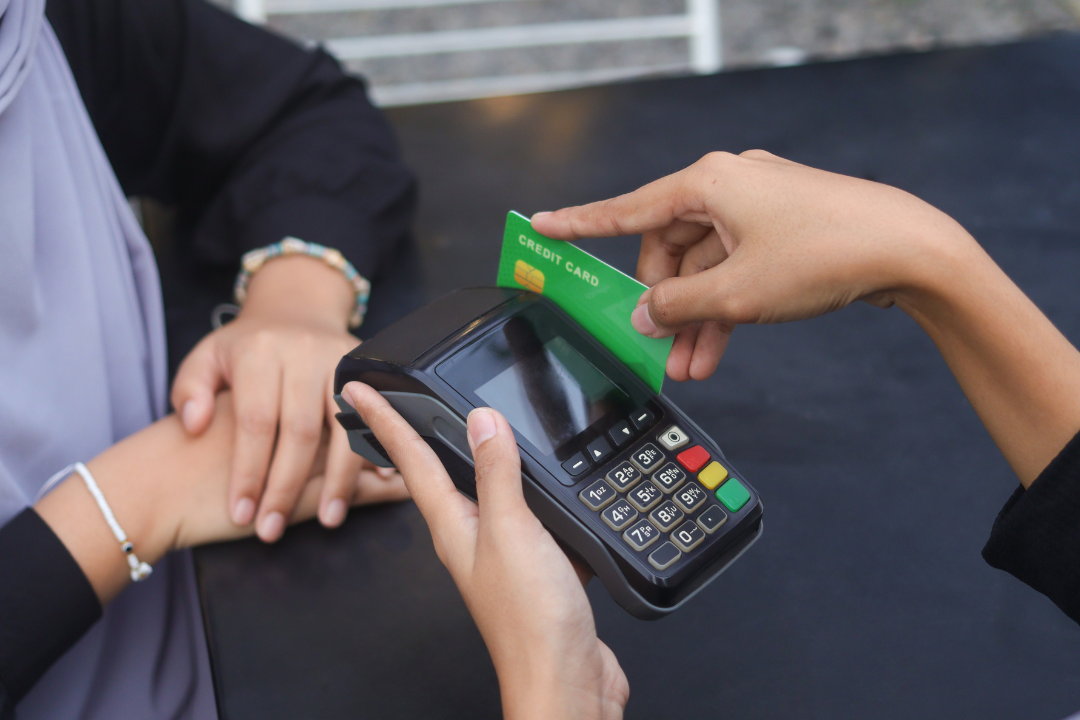
Cashless transactions are the payments made without using any hard cash. It is about relying more on electronic and digital payment methods. It includes:
- Debit and credit cards
- Contactless and NFC payments
- Mobile wallets and payment apps
- Online and instant bank transfers
- Biometric authentication (fingerprint, facial recognition)
This system removes the need for physical currency, allowing transactions to occur instantly across digital channels. For digitally connected consumers, cashless payments reduce friction and improve convenience.
However, cashless systems depend on:
- Access to technology
- Reliable internet connectivity
- Digital literacy
- Trust in electronic infrastructure
When any of these are missing, cashless transactions can exclude rather than empower.
Learn how resilient cash infrastructure complements digital payments.
It is now easier than ever to make payments. Is it?
Cashless transactions have increased tenfold with an abundance of innovation in the sector. If you are tech-centric, it’s great. Pay with facial recognition, a fingerprint, the tap of a card, or the swipe of a watch. It’s no surprise that digital payments have increased. The side effect: those people no longer require cash. However, the people who have not or cannot adapt to this changing behaviour are at risk.
Why have cashless transactions increased?
Technology Improvements
Every single action in our lives changes as technology improves, with efficiency at the centre. Without technology improvements, consumer trends would not have changed, so it seems appropriate to start there. The adoption of new payment methods has been gaining traction. More and more people and businesses swap notes, coins, and checks for e-wallets, apps, contactless cards, and other technological models. The factors driving consumers to this shift are ease of use, convenience, and instant payments from wherever. In fact, consumers are now expecting businesses to offer digital payment options. Since 2009, cash transactions have reduced from 56% to just 17% in Scotland.
Consumer Behaviour & Trends
Contactless and cashless transactions are often used interchangeably. The distinguishing factor between them is that cashless relies on face-to-face communication, unlike contactless. To understand the severity of the shift, we need to look at the root drivers. Consumers are not only looking to change how they pay; they are changing places they buy altogether. With improvements to technology, purchases are now made wherever and whenever. We have all heard of the ‘death of the high street. Many consumers now prefer to purchase at online retailers rather than their physical counterparts. Although it is not only retailers, consumers can now opt to make nearly all transactions digitally.
Covid-19
These factors have compounded into a rapid shift in consumer behaviour. And if it wasn’t rapid enough, in 2019, Covid-19 added fuel to the fire. People were no longer making cashless payments for ease; they were making them due to safety. The retail and hospitality industry completely shut down in the UK, meaning the only place to purchase was online. When the sector reopened, people were cautious and made cashless transactions to minimise the risk of catching the virus. Since 2017, cash transactions have been reducing by around 15% per year. In 2020, these were reduced by 35%, highlighting the true impact of Covid-19. The pandemic made consumers turn to digital payments, and now, their behaviour has changed forever.
Branch Closures & ATM Reduction
With the shift to cashless transactions, cash usage has reduced. However, technological improvements have affected not only the way people pay but also the way they bank. It is forecast that by the end of 2022, 93% of the UK will use some form of online banking. 36% may have opened online-only bank accounts in the same time frame. With this shift and the reduction in cash, there is less need for physical bank branches and ATMs. Since 2015, 53% of bank branches have closed in Scotland. The closure of branches and ATMs has resulted in reduced accessibility to cash. Although the vast majority of people have transitioned to cashless transactions, the changing landscape does not pose well for the minority who are left behind.
The Impact of Cashless Transactions on Cash Access
One of the UK reports, carried out by Loughborough University’s Business School and the University of Manchester professors, says the rapid advancement in technology and the related decline in the use of cash are changing how consumers pay for goods and services. Individuals now use bank cards, cryptocurrency, and digital applications to make purchases for the items they want and need. The report tells how cashless payment systems are impacting the UK:
Cash in decline: There are many changes happening in cashless payment systems today. Cash is becoming less commonplace; in 2023, only 12% of payments made will be cash payments, and it is becoming increasingly difficult for businesses to accept cash payments. Although politicians and regulators are still encouraging the use of cash by making it more accessible to everyone, many businesses and services are now moving towards supporting only digital payment methods.
Digital wallets are on a meteoric rise: In 2019, just 8% of card transactions were used for digital wallets (i.e., Apple Pay, Google Pay, etc.), while in 2023 that percentage increased to approximately one-third of transactions. This indicates how quickly consumers are adopting new technology.
Fraud and scam: Fraud and security concerns are becoming very important topics for consumers: in 2021, consumers lost over £500 million to fraudulent scams that involved individuals being deceived into authorising a payment. Because of this, ensuring security measures exist for digital payment systems is a priority for many organisations.
Inclusion remains: an estimated 1.1 million adults in the UK do not have a bank account, and a significant number of others rely on cash payments because they do not own smartphones or have reliable internet access, as well as not feeling confident when using non-cash transaction systems.
At a national level, the challenge is equally significant. The Bank of England estimates that around 1.2 million people in the UK still rely on cash as their primary payment method. This reality highlights a critical truth: while cashless payments are growing, cash remains a lifeline for millions. Any transition toward digital-first economies must be balanced with policies, infrastructure, and technology that preserve access to physical cash, ensuring no one is left behind.
Understand how cash access can be protected without increasing operational costs.
How have cashless transactions affected minority communities?
There are several concerning factors in a cashless society. In Scotland, 35% of those over 60 do not use the internet. Some people cannot afford smartphones to utilise e-wallets and mobile banking. Others use cash to budget, a growing trend since the cost-of-living crisis began. Even domestic abuse victims who use cash to escape their surroundings are at risk. The point is that there are a number of reasons why people choose cashless transactions. Still, for some vulnerable minorities, cash remains a fundamental currency.
However, these minority groups are not alone in the world. In fact, many countries still prefer cash, including Japan, Bulgaria, Romania, Peru, and many more. When comparing these countries, trends that signify cash reliance tend to be from cultures and poorer economies where banking and smartphone usage is less.
Will Cashless Transactions Fully Replace Cash?
Cashless transactions will not fully replace cash. The rapid increase in the use of cashless services globally has resulted in regulators and governments making it clearer than ever that while digital payments, and even cashless options, continue to grow rapidly, cash will still always be needed and cannot simply be viewed as an alternative option for payment methods.
In the case of the UK, UK government policymakers and regulators have made a formal declaration that cash remains an important part of financial resilience and social inclusion; as such, they are now taking active regulatory measures to ensure that cash remains accessible to all individuals. The cash holds a hybrid future model, which holds:
- Financial inclusion, particularly for elderly, rural, and vulnerable populations
- Crisis preparedness, when digital infrastructure is disrupted
- Economic stability, offering a fallback during systemic shocks
- Consumer choice, ensuring people can decide how they transact
This hybrid model places new demands on the cash ecosystem. As transaction volumes become less predictable, cash operations must become more precise, transparent, and efficient. Manual processes and fragmented visibility are no longer sufficient.
See how modern cash management systems support a hybrid payment future.
Will Cashless Transactions Dominate Future Economies?
Regardless of innovation in cashless transactions, governments worldwide realise the vital role cash plays in society and are now introducing policies to keep it in circulation. In the UK, the Financial Conduct Authorities have been given powers to ensure access to cash. The new legalisation will see restrictions on the reduction of ATMs and branches. For instance, there is talk of a minimum distance between ATMs and bank branches to local rural communities, increasing cash access. Additionally, the UK government has committed to grant power to the Bank of England to ensure the UK wholesale cash infrastructure remains ‘effective, resilient, and sustainable and continues to support access to cash across the UK’. The new legislation ensures that the UK’s cash infrastructure remains robust and sustainable.
Conclusion
The digitization of payments has resulted in significant improvements in the way we transact today, but these advancements do not mean equality of access or fairness for all who want to transact. As digital payment methods become increasingly popular, we have come to understand that hastily implementing a move to go entirely cashless is an avenue that leads down a path of increased inequality and risk, as well as creating a more fragile payment ecosystem.
Today’s payment ecosystem will no longer consist of a simple cash vs. cashless format; rather, the future will revolve around the establishment of systems that can accommodate both forms of payment. A strong cash infrastructure, transparent reconciliation processes, and intelligent cash management systems are necessary components of a fair and sustainable financial ecosystem. Cash has not disappeared; rather, it is a critical aspect of doing business and must be properly managed to ensure the viability of cash as a payment option for consumers. Be proactive in protecting the viability of your cash infrastructure and maintaining an efficient and effective cash infrastructure.
Contact Sonas to learn more about today’s modern cash management solutions.
FAQs
1. What are cashless transactions?
Cashless transactions refer to any type of payment where there are no actual coins or paper bills involved. Cashless forms of payment category include:
- Debit / Credit Cards
- Contactless Payment Cards
- Mobile Wallets
- On-Line Bank Transfers
- QR-Code Payments
- All Other Electronic Payment Methods
Cashless payment systems make it possible for consumers, as well as businesses, to complete their payments easily and securely by not having to physically hold paper notes or coins. Cashless payments are considered convenient, fast, and traceable; however, cashless pay systems rely heavily on technology, internet access, and digital proficiency. The increasing use of electronic payments has fundamentally changed the way people conduct their payments; however, it has raised concerns regarding inclusion, privacy, resiliency, and continued access to cash for people who rely on it.
2. Why have cashless transactions increased so rapidly?
The rapid rise of cashless transactions is driven by technological advancement, changing consumer behaviour, and increased digital infrastructure. Smartphones, contactless cards, mobile banking apps, and real-time payment platforms have made digital payments faster and easier than ever. Businesses now expect instant settlement, while consumers value convenience and speed. The COVID-19 pandemic further accelerated adoption by encouraging contact-free payments for health and safety reasons. Additionally, the growth of e-commerce and online services has shifted spending away from physical locations. As digital payments become embedded in everyday life, cashless transactions continue to expand, especially in urban and digitally connected economies.
3. Are cashless transactions replacing cash completely?
Even though cashless payment systems have become an important part of our economy today, they do not effectively replace cash. While digital payments have overtaken some areas of the economy, many people still depend on cash for a number of reasons. Cash is still critical for financial inclusion, and it allows consumers to control how they spend their money through budgeting, privacy, and limited access to digital tools. At the same time, cash plays an important role in times of emergency, system outages, and cybersecurity incidents, when contactless payment mechanisms can fail.
As governments and central banks continue to develop policies governing the future of money and payments, it is becoming increasingly clear that removing cash will result in the marginalisation of vulnerable groups and the weakening of economic resilience. Instead of a full-fledged cashless system, a hybrid payments ecosystem is emerging worldwide, in which cash and cashless methods of payment will exist together in harmony, necessitating proper cash management and cash reconciliation to ensure that everyone continues to have access to a sustainable flow of cash.
5. What are governments doing to protect access to cash?
Governments are introducing legislation and regulatory frameworks to ensure continued access to cash as digital payments expand. In the UK, authorities have granted powers to regulators like the Financial Conduct Authority to protect access to cash services, including ATMs and bank branches. The Bank of England has also been tasked with maintaining a resilient wholesale cash infrastructure. Similar initiatives exist across Europe and other regions, focusing on preventing “cash deserts” and supporting vulnerable communities. These measures reflect growing recognition that cash is a public good critical for inclusion, crisis preparedness, and economic stability rather than a legacy system to be phased out.