
ATM Replenishment: Importance, Process, and Challenges of Identifying Exceptions?
Posted on:
March 5, 2026
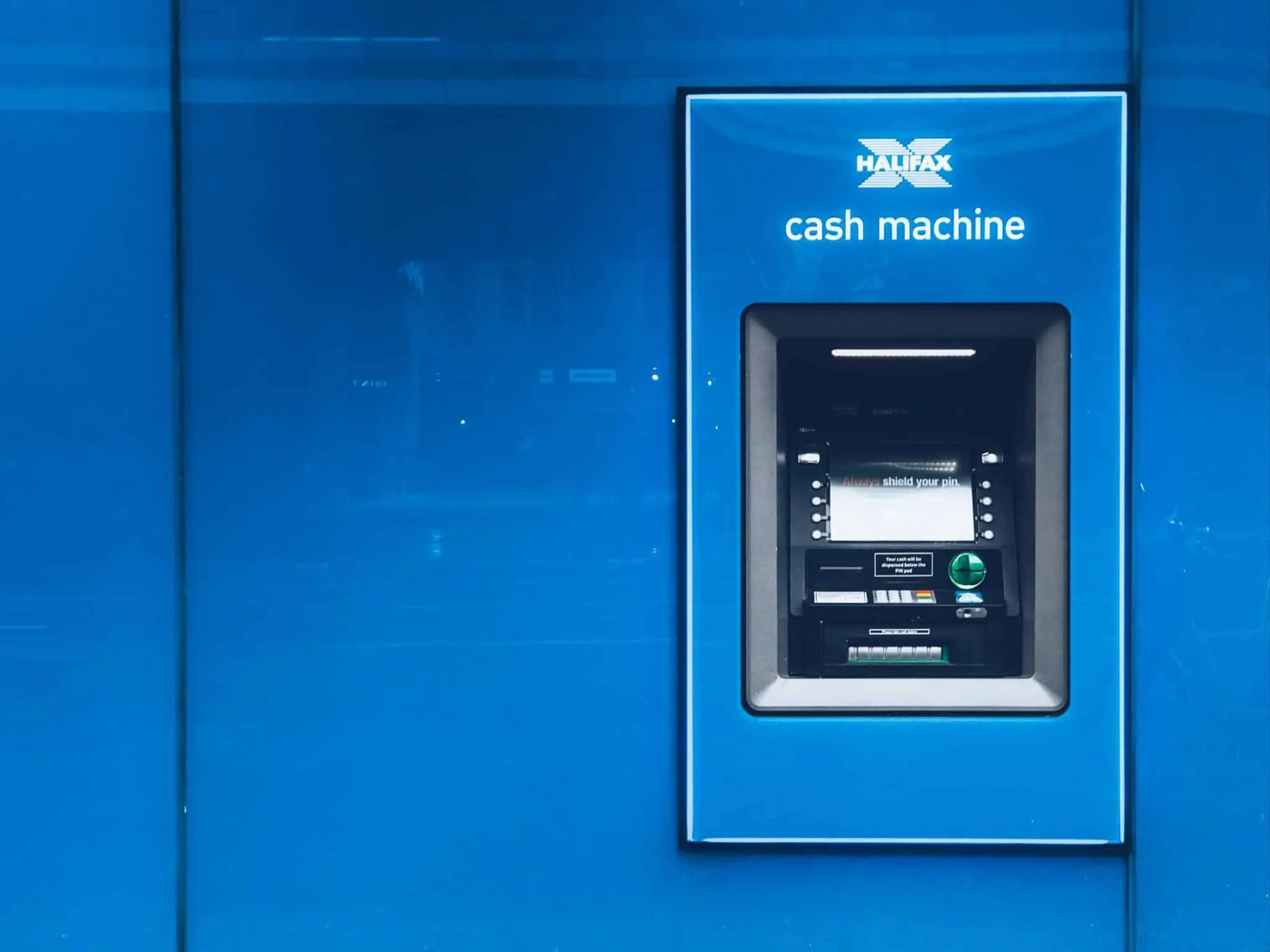
ATM replenishment is a key aspect of the daily operation of ATM machines to ensure they always have sufficient cash to meet their customers' needs. The widespread adoption of cash use by all types of businesses, from Banks to Retailers to Emerging Markets, has increased the need for planning and monitoring the Replenishment Process to avoid Cash Shortages, Service Disruption, and Financial Losses.
The Bank of England reports that more than 1.2 million people in the UK still rely on cash as their primary method of payment. Ongoing dependence on ATM networks means the need for ATM replenishment software remains adequate. As the amount of cash taken out at ATMs remains consistent, ATM replenishment planning, monitoring, and accounting for ATMs are extremely important, not only to ensure that there is no out-of-cash situation but also to limit losses, disputes, and compliance-related issues within the expanding ATM network.
At its core, ATM replenishment is not just about loading cash; it is about accuracy, transparency, accountability, and control across the entire ATM replenishment cycle. Without the right systems in place, even small discrepancies can escalate into significant operational and financial risks.
Managing a growing ATM network?
Explore SONAS ATM Replenishment Solutions.
Quick Summary:
- Millions of ATM withdrawals processed each year using cash demonstrate that cash remains an essential part of the UK’s financial system. Over 1.2 million users continue to rely exclusively on Cash as their primary means of payment.
- This ongoing need for cash has put increasing pressure on banks and ATM providers to deliver adequate and robust ATM replenishment.
- ATM replenishment includes a number of parties, involves physically moving cash, and relies upon transaction information to ensure reconciliation and exception management are done correctly.
- The addition of digital ATM replenishment and automated reconciliation systems provides financial institutions with real-time access to their cash inventory and provides greater levels of accuracy and speed to reconcile exceptions.
- Solutions provided by SONAS Systems can help reduce losses for financial institutions by enhancing audit trails and providing better end-to-end ATM cash control.
What Does an ATM Stand For, and How Does an ATM Work?
ATM stands for Automatic Teller Machine, which is a self-service electronic device or a banking terminal that enables customers to carry out essential financial transactions without the need to visit a physical bank branch or interact with bank staff. ATMs play a critical role in providing 24/7 access to cash and basic banking services, especially in regions where branch access is limited.
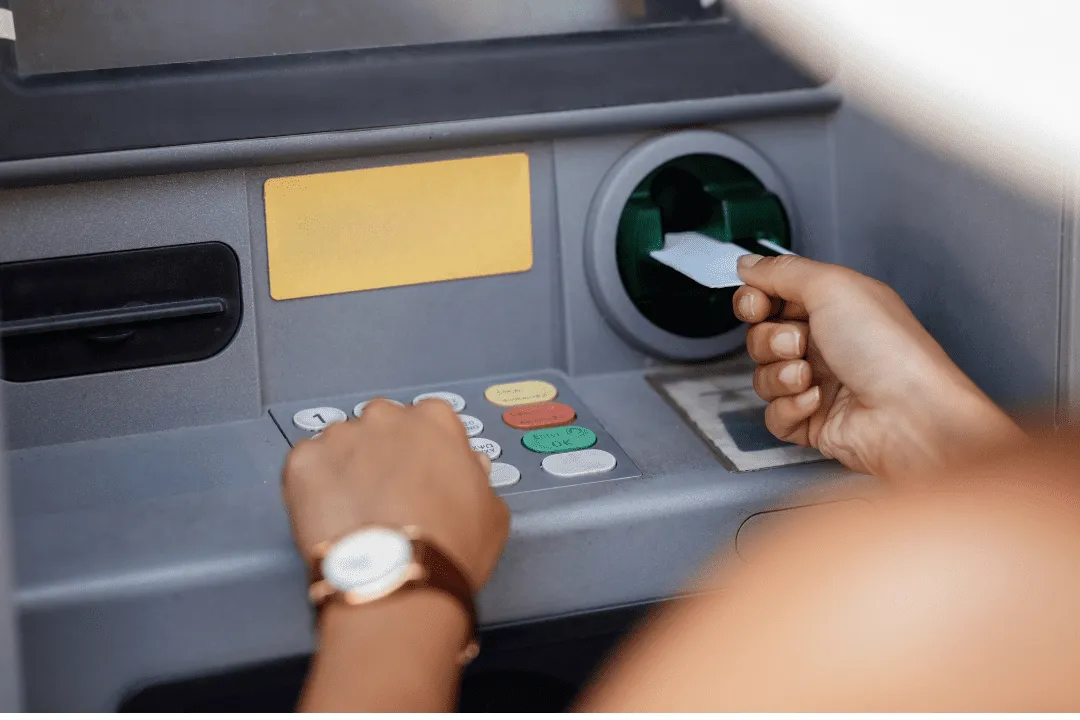
The ATM replenishment cycle includes inserting a debit or credit card and authenticating using a PIN. Users can securely perform actions such as
- Withdrawing cash
- Checking account balances
- Viewing recent transaction history
- Printing mini-statements or receipts
Each ATM holds a limited amount of cash at any given time. Once that cash reaches a predefined threshold, the machine must undergo an ATM replenishment operation to replace depleted notes with a fresh cash load. This process must be tightly controlled to ensure accuracy and security.
The ATM Replenishment Process
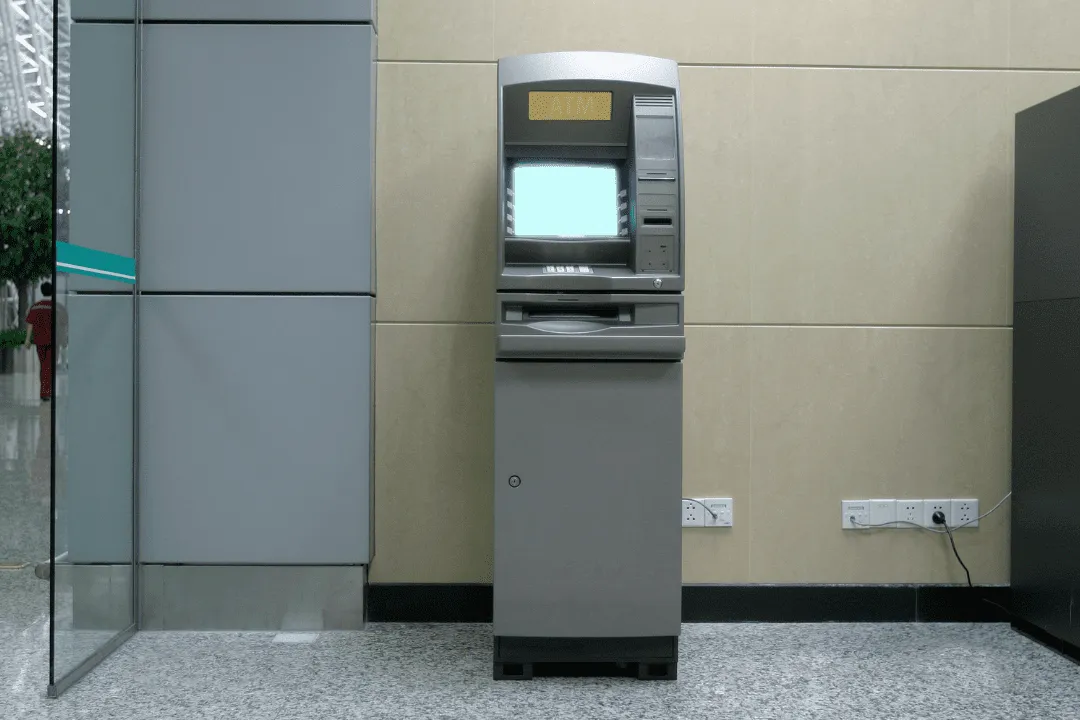
ATM replenishment is the process when a third party hired by the bank removes the leftover money in the machine and replaces it with a fresh load. The banknotes go into cassettes based on their denomination. The cash bundles, now accurately assessed and scrutinised, will ensure a high level of accuracy. The replenishment amount is pre-decided before loading; this will later become the crucial first step in the reconciliation process used by our system.
The bank decides the cash loading amount in advance. The bank and the third-party company used for the cash processing will sign off on the cash total. This two-step process ensures transparency in the first step of the replenishment process.
Manual replenishment tracking increases risk at every handover.
DOWNLOAD BROCHURE: DIGITALISING ATM REPLENISHMENT
Cash Processing
Cash processing personnel then prepare the orders for each ATM replenishment on that route. The money is sorted into its correct cassette, sealed, documented, and signed off. Next, the cassettes are put into sealed bags and are now ready to be sent to their designated terminal.
When transporting the cash to the ATM, before inputting the new cash-filled cassettes, the old ones are collected, along with any extra notes found in the purge bin. The journal roll from the ATM machine also gets taken. This roll contains a record of all the transactions that have taken place since the last replenishment. It is a crucial part of the ATM reconciliation process in our ATM replenishment system, as it provides another set of data to compare with the physical cash collected.
At this point, the chosen terminal replenishment is complete. The new cash load is in place for that cycle.
Old Cassettes
The previous cycle’s cash cassettes are returned to the reconciliation officer, who is given all the paperwork, including the journal roll. He will then commence the cash count. He will also count the physical cash and reconcile it with the ATM receipt. If the physical cash does not match the paperwork, this will result in an exception when the data sets are balanced off.
The data from this step in the reconciliation process will be input into our system. This will allow for a more comprehensive view of the process from start to finish.
An escalation process will begin if discrepancies between the journal and the cash count occur. A cash recount is the first step in this process.
Finally, the amalgamated cash from all terminals visited that day is processed at the cash centre. Multiple parties will sign off on the documentation, including a bank representative. The ATM replenishment cycle for that terminal is now complete.
Request a Demo of Automated ATM Reconciliation
Manual vs Automated ATM Replenishment: Key Differences
[[table]]
ATM Reconciliation and How The Sonas Solution Reconciles
In basic terms, reconciliation is the process of comparing two sets of data. For example, transactions and activity, to appropriate accompanying documentation. Furthermore, reconciliation involves resolving any inconsistencies in the data. Reconciliation ensures the authenticity and accuracy of financial information. As well as this, a proper reconciliation process ensures that unauthorised changes have not occurred to transactions throughout the process.
Sonas Systems’ role in ATM Replenishment:
Real-Time & Periodic Cash Reconciliation:
Sonas ATM cash management software reconciles cash balances in real-time or periodically. All with reconciled cash positions, shown through a consolidated view of your device’s physical cash and transactional history.
End-to-End Transparency Across the Cash Cycle:
Sonas’ software gives a level of transparency like no other system on the market. Our real-time data capturing app, combined with our software, provides real-time updates and notifications. This capability results in increased communication, better relationships with clients, and higher productivity in the workplace.
Unique Real-Time Source Documentation Capture:
Sonas’ ATM cash management software is the only reconciliation solution with an app that captures source documentation in real-time. This works through the use of OCR (optimal character recognition). It will also enable the user to see which guard carried out the process and at which date and time.
Cloud-Based, Instant Access to Replenishment Data:
The replenishment information is viewable on the system instantaneously via the cloud and available instantly for review, reconciliation, and audit purposes.
Automated Exception & Claims Identification:
The source documentation is then integrated into the system for the identification of exceptions & claims, facilitating easy resolution and providing detailed reporting.
See how automated ATM reconciliation software delivers real-time cash positions, faster settlements, and audit-ready reporting.
See SONAS ATM Reconciliation Software in Action
The Identification of Exceptions & the Importance of Identifying Them
In simple terms, exceptions are discrepancies between two data sets. Allowing exceptions to go unaddressed over time can lead to avoidable built-up losses in the ATM replenishment cycle.
A thorough investigation of exceptions will help discover where the weaknesses lie in the cash cycle. For example, is it a technical fault with an ATM? Or is it something more sinister, like employee theft?
When money goes astray under third-party supervision, it leads to claims filed from the bank to account for the missing capital. Sonas ATM Replenishment Software has the ability to manage exceptions and identify issues much faster than any manual process.
Our ATM replenishment monitoring could save money for the cash processing company in instances where they can prove it was simply a terminal malfunction rather than theft.
This process also encourages a healthy, professional way to resolve disputes between organisations over minor discrepancies in the reconciliation process.
SONAS Exception Management
Our system software allows for:
- Quick and accurate investigations and ATM replenishment suggestions
- Ability to aid individual investigation steps through direct source documentation uploads
- The increased flow of communication with electronic sign-off capabilities
- Complete audit trails allowing the ability to record information accurately.
- Capability to accurately record, track, investigate, and resolve exceptions and claims
Final Thoughts
Reconciliation ensures the authenticity and accuracy of financial information in the cash replenishment cycle. Sonas’ ATM replenishment software allows cash reconciliation in real-time or periodically. This process provides a much more comprehensive view of the cash replenishment cycle. With no similar product in the market, it is easy to see how this new exception managing capability results in increased communication and better relationships between organisations regarding claims management.
Every unresolved exception is a hidden financial risk. Learn How SONAS Improves ATM Mismatch Detection
FAQ’s
1. How often are ATMs replenished?
ATM replenishment depends on many factors that play an important role in determining how often a machine should be refilled with cash. These factors include an ATM's location (urban vs rural), historical withdrawal patterns, seasonal fluctuations in cash usage, etc. A high-traffic ATM will typically require daily, or at least near-daily, replenishment to reduce the possibility of running out of cash and interrupting customer service. Conversely, low-volume rural ATMs are usually replenished once every week or two weeks to optimise logistics/costs.
Banks and ATM operators also adjust replenishment schedules during peak periods such as holidays, salary credit days, or festivals, when withdrawal volumes spike. Increasingly, financial institutions rely on ATM replenishment planning and forecasting tools to determine optimal cash levels, reduce idle cash, and minimise replenishment frequency without impacting uptime.
2. What causes discrepancies in ATM reconciliation?
When the physical cash level on an ATM does not match the transactional information generated by any part of the ATM system or by the core bank systems. The largest variance is between the Electronic Journal (EJ) files created by the ATM and the host bank. There are many reasons why the physical cash level on the ATM and the electronic journal files may not agree. These reasons range from possible human error in counting cash stored in the ATM, improperly loaded cassettes, incorrectly aligned denominations, or cash stored in the cash purge bins.
3. How does ATM reconciliation software reduce losses?
ATM reconciliation software reduces losses by replacing fragmented, manual processes with automated, system-driven controls that identify discrepancies early and resolve them faster. Automated reconciliation continuously compares ATM transaction data, EJ logs, replenishment records, and physical cash counts to detect shortages, overages, and failed transactions in near real time. This prevents minor variances from escalating into material losses.
By eliminating manual data matching, reconciliation software significantly reduces human error, improves accuracy, and shortens investigation cycles. Built-in exception management workflows help teams trace the root cause of mismatches, whether operational, technical, or procedural, and initiate timely corrective action.
4. Who is responsible for ATM cash replenishment?
Banks and specialized third-party service providers have a shared responsibility for ATM cash replenishment. Banks typically outsource physical cash replenishment operations to cash-in-transit companies (CITs) or other third-party cash processors for cash preparation, transportation, cassette loading, and collection of old cassettes. Third-party service providers are subject to strict security, insurance, and compliance requirements as part of their role in the ATM cash replenishment process.
Although third parties are primarily responsible for executing the ATM cash replenishments, banks retain bank identification and ownership over all cash and responsibility for cash reconciliation, cash settlement, and regulatory data reporting. As a result, ATM cash replenishment operations require a high level of oversight.
5. What are the benefits of digital ATM replenishment systems?
The ATM cash replenishment process has seen significant improvement through the introduction of digital ATM replenishment systems that provide 24/7 access to real-time information, automation, and control across the replenishment and reconciliation processes. Digital ATM cash replenishment systems eliminate the need to use paper logs, manual counts, and delayed reporting, and instead, digital ATM cash replenishment systems capture and record replenishment data immediately and integrate it into transaction records and reconciliation workflows.
Speedier exception detection, shorter investigation times, and improved audit readiness as a result of secure digital documentation are just a few of the benefits of digital ATM cash replenishment systems. Automated ATM cash replenishment software also helps to improve ATM replenishment monitoring by allowing users to make better forecasts for cash replenishment, maintain optimum levels of cash, and limit idle cash.
| Aspect | Manual ATM Replenishment | Automated ATM Replenishment |
|---|---|---|
Process Execution | Paper-based, spreadsheet-driven, and heavily dependent on human intervention | Digitally driven, system-controlled, and workflow-based |
Cash Loading Accuracy | Prone to manual counting and data entry errors | Automated validation reduces counting and input errors |
Reconciliation Speed | Takes hours or days to reconcile transactions and cash positions | Near real-time or same-day reconciliation |
ATM Mismatch Detection | Discrepancies often discovered late during audits | Instant ATM mismatch detection with alerts |
Visibility & Control | Limited visibility across ATMs and replenishment cycles | Centralised, real-time view of ATM cash positions |
Exception Handling | Manual investigation using paper logs and EJ files | Automated exception workflows with digital evidence |
Audit Readiness | Weak audit trails and manual documentation | Strong, tamper-proof audit trails and reporting |
Scalability | Difficult to scale as ATM networks grow | Scales seamlessly across large ATM networks |
Operational Costs | High labour costs and rework due to errors | Lower operational costs through automation |